



Finding the Right Way to Experience Florence
Florence rewards almost every approach — standing before Michelangelo’s David, climbing Brunelleschi’s dome, wandering the artisan workshops of the Oltrarno, riding a Vespa through the Chianti hills, or eating your way through a market you can’t fully translate. It is a city where the art, history and food run so deep that the real risk isn’t missing something important — it’s trying to do everything and enjoying nothing properly.
This page brings together every Florence tour and experience we recommend, organised by category so you can start with what matters most to you. Below, we walk you through the main types of tour, help you understand what each offers, and point you toward the right experience for the time you have and the things you care about.
The Great Museums and Monuments
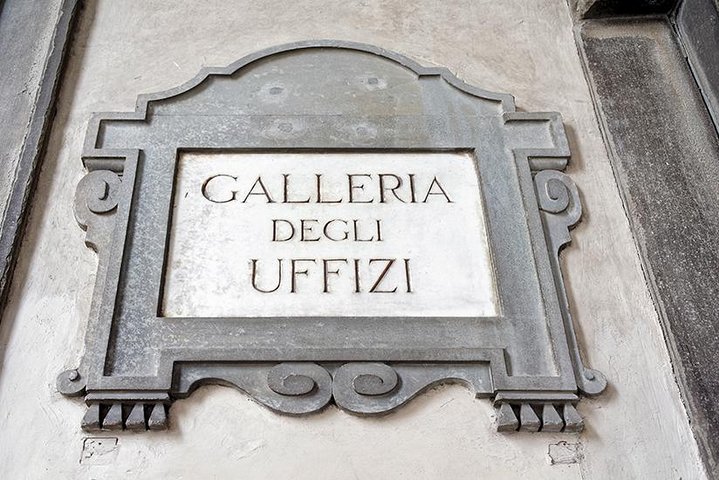
Florence’s headline sights are the reason most people come, and understanding what each offers helps you plan your time — and decide where booking ahead actually matters. The Uffizi Gallery holds the greatest collection of Renaissance painting on earth, from Botticelli’s Birth of Venus to Leonardo and Michelangelo, while the Accademia Gallery is home to the David himself. Both are among the busiest galleries in Italy, so both reward a guided or skip-the-line visit.
The cathedral complex is a world in itself, and the Duomo tours page untangles its famously confusing ticketing. Within it, the dome climb takes you up 463 steps through Brunelleschi’s engineering marvel to the lantern; the Campanile (Giotto’s bell tower) offers the best view of the dome itself; the Baptistery holds its golden mosaics and the Gates of Paradise; and the whole ensemble sits at the heart of the city.
Beyond the Duomo, Florence’s other great sites each tell part of the story: the Pitti Palace and its Boboli Gardens, quieter than the Uffizi; the Palazzo Vecchio with its secret passages and the vast Hall of the Five Hundred; the goldsmiths’ bridge of the Ponte Vecchio; the burial church of Santa Croce, resting place of Michelangelo, Galileo and Machiavelli; and Santa Maria Novella, with Masaccio’s revolutionary Trinity. To follow the family who commissioned so much of it, the Medici tours thread the dynasty’s story across the whole city, while Piazzale Michelangelo gives the classic panorama and the Oltrarno reveals the artisan district across the river.
Choosing Your Tour Format
The same sights can be experienced in very different ways, and the format you choose shapes the whole day. A private tour gives you your own guide and your own pace; a small-group tour keeps numbers low for a more personal experience at a lower cost; and a walking tour is the classic way to see the compact historic centre on foot. For the crowded galleries, a skip-the-line tour is worth it at the Uffizi, Accademia and dome — though our page is honest about which sites don’t need it.
Some formats suit particular travellers. Family tours are built around children, turning the Renaissance into an adventure; VIP tours offer the highest tier of access, including early or after-hours entry to the great galleries with scholar guides; and sunset and evening tours show the city at its most beautiful, when the crowds thin and the monuments glow.
Seeing Florence and Tuscany by Vehicle
Vehicle tours split neatly between those that explore the city and those that head into the countryside. Within Florence, a golf cart tour reaches the pedestrianised centre with no effort (ideal for limited mobility), while an e-bike tour flattens the hills to the great viewpoints and a bike tour covers the flat centre and riverside. A boat tour on the Arno offers a unique, peaceful perspective, gliding beneath the Ponte Vecchio on a traditional barchetto.
To reach the Tuscan countryside, a Vespa tour takes you into the Chianti hills on the iconic scooter, while a Fiat 500 tour is its four-wheeled counterpart in a classic vintage car. For something unforgettable, a hot air balloon tour drifts over the vineyards and hilltowns at dawn.
Food, Wine and Cooking
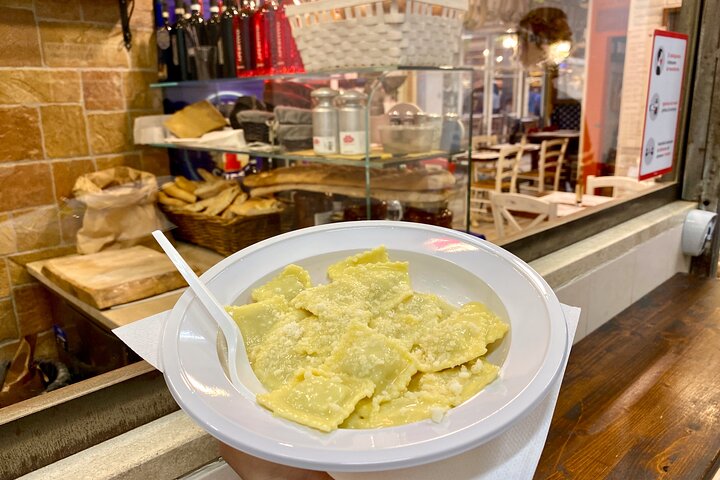
Florence and Tuscany are a food lover’s dream, and the experiences divide by how hands-on you want to be. To cook, a full cooking class teaches a whole Tuscan menu, while focused classes concentrate on fresh pasta or pizza making (the latter a family favourite, often with gelato). To taste rather than cook, a food tour ranges across the city’s specialities, a street food tour dives into the local lampredotto, a gelato tour finds the real artisan article, a market tour explores the Mercato Centrale, and a Florentine steak experience centres on the legendary bistecca alla fiorentina.
Out in the countryside, the region’s produce comes into its own. A Chianti wine tour visits the famous region and its Classico wines, a broader wine tasting tour teaches you to appreciate Tuscany’s great reds, an olive oil tour reveals the “liquid gold” at a working mill, a truffle tour joins a hunt in the woods, and a regional food day trip combines several tastings into one full day.
Day Trips From Florence
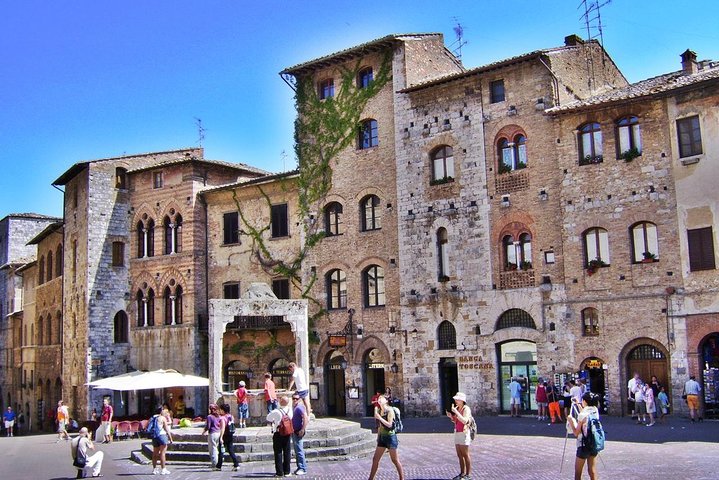
Florence’s position makes it the perfect base for exploring Tuscany and beyond. The nearest icon is Pisa and its Leaning Tower, compact enough to combine with elegant, walled Lucca. The classic medieval pairing is the great Gothic city of Siena with the tower-topped hilltown of San Gimignano, often taking in the Chianti countryside between them. For the deep south, Montepulciano offers Renaissance streets and Vino Nobile cellars, set within the sublime, UNESCO-listed landscape of the Val d’Orcia.
Further afield, the coloured cliffside villages of the Cinque Terre are the most spectacular (and the longest) day trip, while the ancient Etruscan and alabaster town of Volterra and the storied hilltown of Cortona (of Under the Tuscan Sun fame) reward those seeking somewhere quieter. Cross the border into Umbria for Assisi, the town of St Francis with its great Giotto frescoes, or explore the wider “green heart of Italy” on an Umbria day trip.
Classes, Crafts and Culture
To engage with Florence’s creative heritage more deeply, you can make as well as look. An art class lets you learn to draw, paint or fresco in the very city that gave birth to the Renaissance; a perfume workshop lets you blend your own fragrance in a historic capital of the perfumer’s art; and a classical concert fills the evening with opera or chamber music in a candlelit church or frescoed palace, in the city where opera was born.
Planning Your Florence Itinerary: A Quick Framework
One day in Florence: A walking tour in the morning for orientation and the Duomo complex, a skip-the-line visit to the Accademia for the David, and a climb to Piazzale Michelangelo for sunset. This covers the essentials.
Two days: Add the Uffizi Gallery, the dome climb, and a food tour or a hands-on cooking class. Day two fills in the art and food that day one framed.
Three days: Add a day trip — Siena and San Gimignano for medieval Tuscany, a Chianti wine tour for the vineyards, or Pisa and Lucca for the Leaning Tower and the walls. Alternatively, spend the day across the river in the Oltrarno and its artisan workshops.
Four or more days: You have room for a countryside ride by Vespa or Fiat 500, a deeper day trip to the Val d’Orcia or the Cinque Terre, a creative art class or perfume workshop, and the luxury of returning to the churches, viewpoints and neighbourhoods you discovered earlier. Florence rewards depth over rushing.
Browse the categories below to find the tours and experiences that match your interests, your time and your priorities. Each listing includes full details on duration, format and what’s included, so you can build a Florence itinerary that fits you rather than following someone else’s template.
Frequently Asked Questions
Florence’s core sights can be seen in two full days — one for the Duomo complex, the Accademia and the city centre, a second for the Uffizi and a food experience. A third day is ideal for a Tuscan day trip such as Siena and San Gimignano or a Chianti wine tour, and four or more days allow for the countryside, creative classes and a more relaxed pace. Florence rewards depth over rushing.
Skip-the-line entry is most worth it at the Uffizi Gallery and the Accademia Gallery, which are among the busiest in Italy, and for the Duomo’s dome climb, which uses timed reservations. Many of Florence’s other sights — the free cathedral interior, the churches, the viewpoints like Piazzale Michelangelo — have short or no queues, so skip-the-line matters far less there. Its value is highest in peak season and at weekends.
The most popular day trips are Siena paired with San Gimignano (often with Chianti), Pisa paired with Lucca, and a Chianti wine tour. For spectacular scenery, the Cinque Terre coast and the Val d’Orcia landscape are outstanding, and for something quieter, Volterra, Cortona, Montepulciano and the Umbrian towns of Assisi and Perugia reward the journey. Nearer trips fill half a day; the Cinque Terre and southern or Umbrian destinations are longer full-day excursions.
To cook, choose a full Tuscan cooking class or a focused pasta or pizza class. To taste, a food tour or street food tour explores the city’s specialities (including the famous lampredotto), a gelato tour finds real artisan gelato, and a Florentine steak experience centres on bistecca alla fiorentina. In the countryside, a Chianti wine tour, a broader wine tasting, an olive oil tour and a truffle hunt each showcase Tuscany’s produce at the source.
A private tour gives you your own guide and full control of the pace, ideal for families or those wanting a tailored experience. A small-group tour keeps numbers low for a more personal feel at a lower cost. A walking tour is the classic, economical way to see the compact historic centre on foot. Many visitors combine a guided tour of the great galleries with independent wandering of the city’s streets, churches and viewpoints.